Staying fit with weekly exercise can help you achieve your health goal in a jiffy. We will look at tips on how to stay fit with weekly exercise routine for better self-care. Self-care is more than spa days, scented candles, or occasional treats. At its core, self-care is about showing up for your body, mind, and soul consistently. One of the most powerful ways to practice self-care is through regular exercise. Movement is not just about physical fitness; it is about honoring your body, protecting your mental health, and creating a stronger, more resilient version of yourself.
But let’s face it: staying consistent with exercise is not always easy. Life gets busy, motivation fades, and routines can feel overwhelming. That’s why building a weekly exercise routine designed with self-care in mind is so important. It’s not about punishment or perfection; it’s about balance, sustainability, and feeling good in your own skin.
Here are 15 practical tips to help you stay fit with a weekly exercise routine while embracing self-care as a lifestyle.
1. Start Small and Build Up
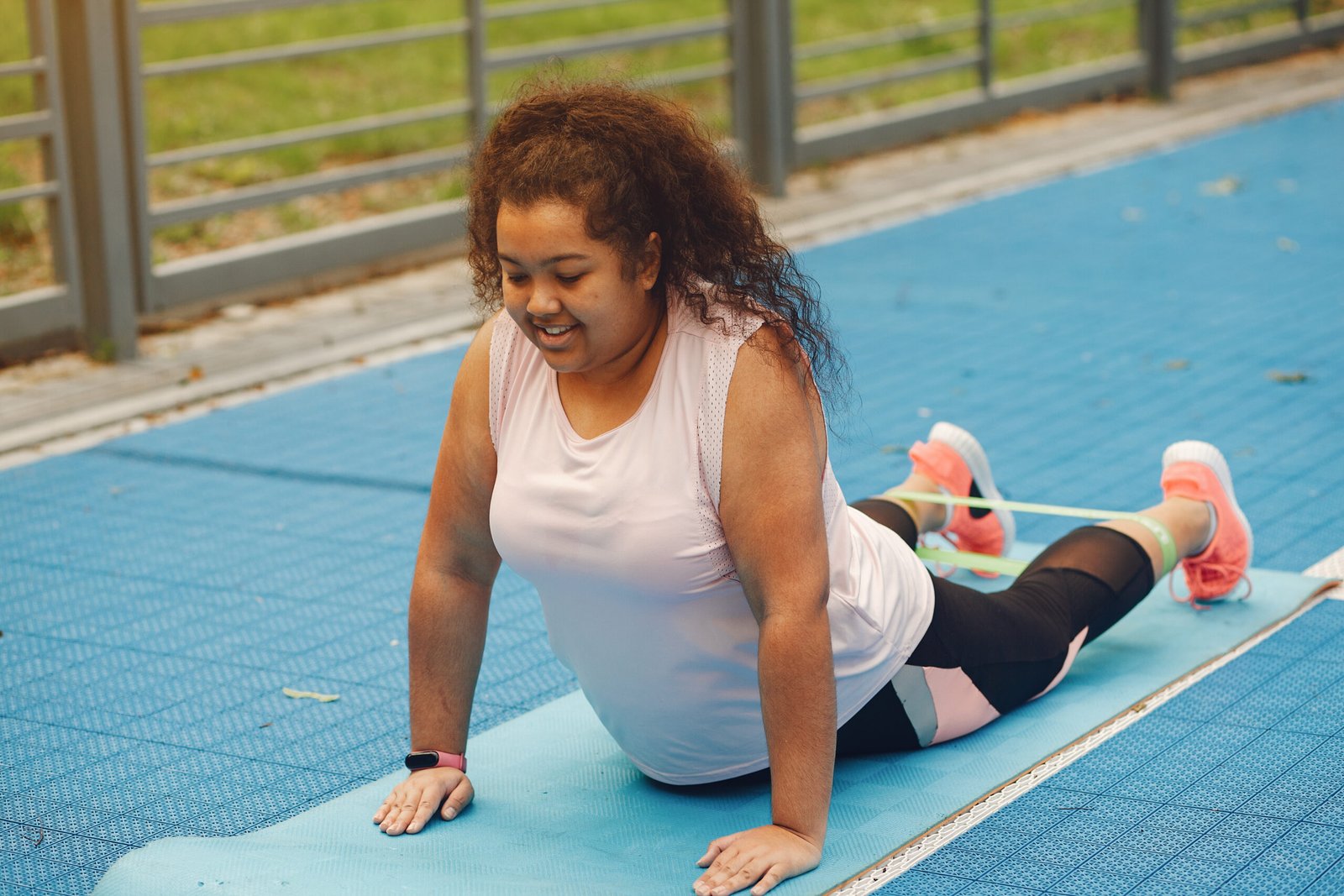
One of the biggest mistakes people make when starting a fitness routine is trying to do too much too soon. This often leads to burnout, frustration, or even injury. Instead, give yourself permission to start small.
Begin with just 15–20 minutes of light activity, like walking or stretching, three times a week. As your stamina grows, you can gradually increase intensity and duration. Think of it as planting seeds. You don’t expect a seed to become a tree overnight , you nurture it daily until it flourishes.
2. Schedule Your Workouts Like Appointments
If exercise is something you only do “when you have time,” chances are it won’t happen often. Treat your workouts as non-negotiable appointments with yourself.
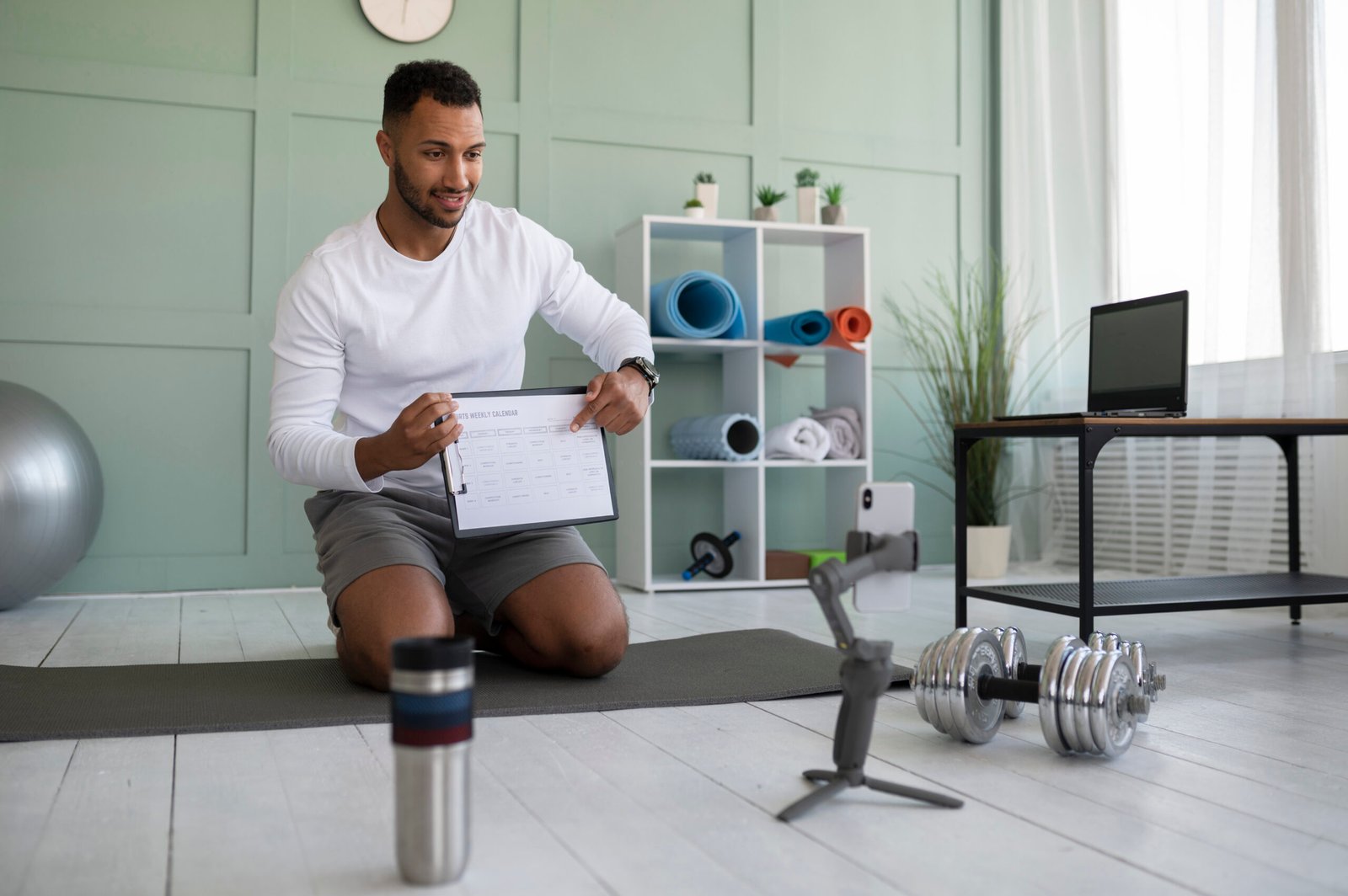
Block out time in your calendar the same way you would for meetings or social events. Morning workouts can give you an energy boost for the day, while evening sessions can help you unwind. The time doesn’t matter as much as the commitment. By scheduling exercise, you’re telling yourself: “My health matters.”
3. Mix It Up for Variety
Doing the same type of workout repeatedly can quickly become boring and boredom is a motivation killer. Not only that, repetitive workouts can overwork certain muscles while ignoring others.
Create a balanced weekly routine by combining:
Cardio (running, cycling, swimming, brisk walking) for heart health.
Strength training (weights, resistance bands, or bodyweight exercises) for muscle and bone health.
Flexibility & mobility work (yoga, Pilates, stretching) to prevent stiffness and injuries.
When you mix it up, you stay excited about movement while giving your body a complete workout.
4. Choose Activities You Enjoy
Fitness should feel like a gift, not a chore. If you dread going to the gym, maybe it’s not your thing — and that’s okay. There are endless ways to move your body.
Love music? Try dance workouts or Zumba. Prefer being outdoors? Go hiking, jogging, or cycling. Enjoy mindfulness? Try yoga or tai chi. The best workout routine is not the one that’s trending, but the one you’ll actually stick to.
5. Always Warm Up and Cool Down

Think of warm-ups and cool-downs as bookends for your workout. A proper warm-up increases blood flow, prepares your muscles, and reduces the risk of injury. A cool-down helps your heart rate return to normal and prevents stiffness.
Even five minutes of light stretching, jumping jacks, or a slow walk before and after your workout makes a big difference. Skipping these steps might save time in the moment, but could cost you in recovery later.
6. Listen to Your Body
There’s a difference between pushing yourself out of your comfort zone and pushing yourself into harm. Self-care means knowing when to rest, adjust, or slow down.
If you feel sore, fatigued, or notice unusual pain, honor that signal. Take a rest day or switch to low-impact activities like walking or gentle yoga. Exercise is meant to energize you, not leave you drained or injured.
7. Stay Hydrated
Water is one of the simplest yet most overlooked aspects of fitness. Proper hydration improves endurance, prevents cramps, and helps your muscles recover faster.

As a rule of thumb, drink a glass of water before your workout, sip during if it’s longer than 30 minutes, and rehydrate afterward. Carrying a reusable water bottle makes it easier to keep track of your intake throughout the day.
8. Fuel Your Body with the Right Foods
Exercise and nutrition go hand in hand. You can’t expect to perform well if you’re running on empty or fueling with junk. A balanced diet supports your workouts and helps your body recover.
Focus on:
- Protein for muscle repair (chicken, beans, eggs, fish).
- Complex carbs for sustained energy (brown rice, oats, sweet potatoes).
- Healthy fats for brain and joint health (avocados, nuts, olive oil).
- Fruits and veggies for vitamins and antioxidants.
Remember: food is fuel, not the enemy. Choose meals that nourish and energize you.
9. Incorporate Strength Training
Many people think staying fit is all about cardio, but strength training is just as important. Building muscle increases your metabolism, supports bone density, and improves posture.
You don’t need heavy gym equipment, simple bodyweight moves like squats, push-ups, planks, and lunges are highly effective. Start with 2–3 days a week and progress gradually. Strength is self-care because it empowers you to move confidently in daily life. Want to burn fat belly see this
10. Prioritize Rest Days
Rest is not laziness; it’s part of the process. Muscles grow and repair during recovery, not while you’re exercising. Overtraining leads to fatigue, injury, and burnout.

Aim for at least one to two rest days per week. Use them for active recovery like walking, gentle stretching, or foam rolling, instead of complete inactivity. Your body will thank you with better performance on workout days.
11. Track Your Progress
Tracking your workouts keeps you accountable and motivated. You don’t need anything fancy, a notebook, calendar, or fitness app will do.
Log what type of exercise you did, how long you did it, and how you felt afterward. Over time, you’ll notice improvements in stamina, strength, and energy. That sense of progress is incredibly motivating. Thinking about how to stay more confident see this for more
12. Exercise with a Friend or Group
Accountability can be a game-changer. Working out with a partner or joining group classes keeps you consistent and makes exercise more enjoyable.
A workout buddy can encourage you when motivation dips, celebrate milestones with you, and even turn fitness into a social self-care practice. Whether it’s a gym class, walking group, or online challenge, community strengthens commitment.
13. Make Movement Part of Daily Life
You don’t have to rely solely on “workout time” to stay active. Small movements throughout the day add up.
Take the stairs instead of the elevator. Walk during phone calls. Do stretches at your desk. Even house chores or playing with your kids count as physical activity. Movement is medicine, and it doesn’t always require gym clothes. Thinking about exercises to do, see this site for more inspiration
14. Set Realistic Goals
Goals give direction, but they need to be achievable. Unrealistic expectations — like “I’ll lose 20 pounds in a month” set you up for disappointment.
Instead, focus on realistic, measurable goals:
- Jogging three times a week for 20 minutes.
- Doing 10 push-ups without stopping.
- Walking 10,000 steps a day.
Each goal you reach builds confidence and momentum for bigger ones. Remember: progress, not perfection.
15. Celebrate Your Wins
Don’t wait for a dramatic transformation to celebrate. Every step forward is worth acknowledging. Did you complete all your workouts this week? Celebrate. Did you choose water over soda? Celebrate. Did you stretch instead of scrolling on your phone? Celebrate.

Celebrating small victories keeps you motivated and reminds you that fitness is not just about results, but about consistency and growth.
Bonus Tip: Pair Fitness with Mental Self-Care
Exercise is not only for the body; it also deeply impacts the mind. Pair your workouts with mental wellness practices. After exercising, take a few minutes to meditate, journal, or practice gratitude. This combination strengthens both physical and emotional resilience. See more related articles