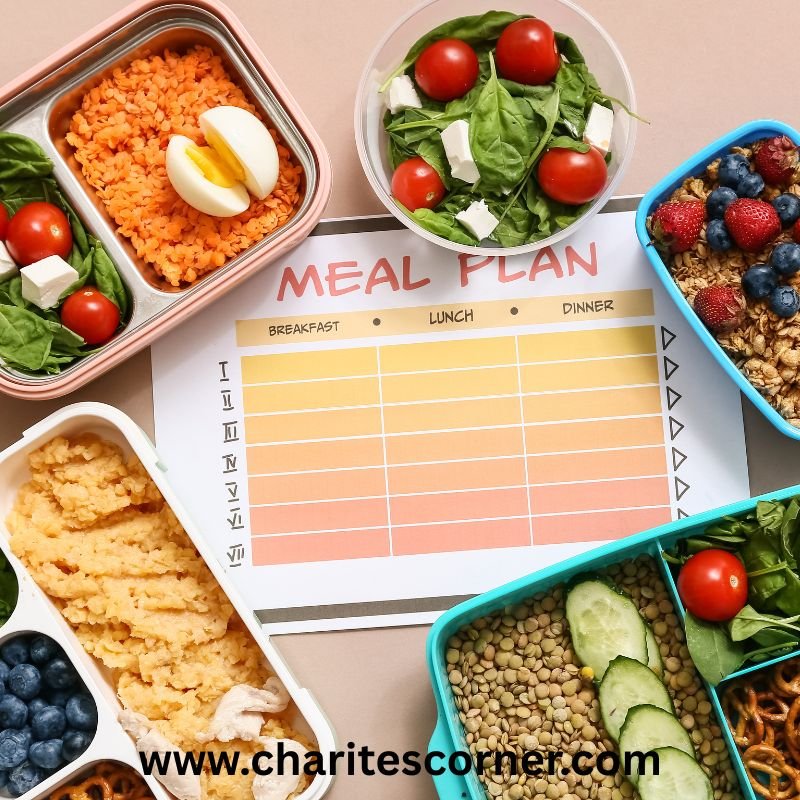
This post talks about Budget Friendly Family Meal Planning Ideas
Feeding a family doesn’t have to mean spending a fortune or cooking complicated meals every night. With a little planning, you can create delicious, satisfying meals while sticking to your grocery budget.
Whether you’re feeding a family of four or a larger household, these budget-friendly family meal planning ideas will help you reduce food waste, save money, and make weeknight dinners much less stressful.
Why Meal Planning Saves Money
Meal planning helps you shop with purpose instead of buying items you’ll never use. It also reduces food waste, cuts down on takeout, and makes it easier to use ingredients in multiple meals throughout the week.
Even spending just 20 to 30 minutes planning your meals can make a big difference in your grocery bill.
Start With What You Already Have
Before making your shopping list, check your pantry, refrigerator, and freezer.
You might already have pasta, rice, canned beans, frozen vegetables, or chicken that can become the foundation for several meals. Building your weekly menu around ingredients you already own helps avoid unnecessary spending.
Plan Meals Around Weekly Sales
Take a look at your local grocery store’s weekly ad before planning your menu.
If chicken is on sale, plan two or three chicken-based meals. If ground beef is discounted, use it for tacos, pasta, and a casserole throughout the week.
Buying ingredients when they’re on sale can significantly lower your grocery costs over time.
Choose Affordable Protein Sources

Protein is often one of the most expensive parts of a meal, but there are plenty of budget-friendly options.
Some affordable choices include:
- Eggs
- Dried or canned beans
- Lentils
- Ground turkey
- Ground chicken
- Canned tuna
- Peanut butter
- Cottage cheese
- Greek yogurt
Mixing plant-based proteins with meat can also stretch your meals without sacrificing flavor.
Build Meals Around Pantry Staples

Keeping a well-stocked pantry makes meal planning much easier.
Some essentials include:
- Rice
- Pasta
- Oats
- Potatoes
- Canned tomatoes
- Chicken broth
- Frozen vegetables
- Flour
- Cooking oil
- Spices and seasonings
These inexpensive ingredients can be combined in countless ways to create filling meals.
Cook Once, Eat Twice
One of the easiest ways to save both money and time is by making larger batches.
For example:
- Roast extra chicken for salads and wraps.
- Make a double batch of chili and freeze half.
- Cook extra rice for fried rice later in the week.
- Use leftover taco meat for quesadillas or baked potatoes.
Repurposing leftovers helps reduce food waste while giving you quick meals on busy days.
Keep Breakfast Simple
Breakfast doesn’t have to be expensive.
Affordable family favorites include:
- Overnight oats
- Scrambled eggs
- Peanut butter toast
- Yogurt with fruit
- Homemade pancakes
- Oatmeal with cinnamon and bananas
Preparing breakfast ahead of time can also make busy mornings much easier.
Add One Meatless Meal Each Week
Skipping meat once or twice a week is an easy way to lower your grocery bill.
Try meals like:
- Vegetable soup
- Lentil curry
- Bean burritos
- Pasta with marinara
- Black bean tacos
- Veggie stir-fry
- Chickpea salad
These meals are filling, nutritious, and surprisingly affordable.
Buy Frozen Fruits and Vegetables
Frozen produce is often less expensive than fresh and lasts much longer.
It’s picked at peak ripeness, making it a convenient option for smoothies, soups, casseroles, and side dishes.
Keeping frozen vegetables on hand also means you’ll always have something healthy to add to dinner.
Prepare Snacks at Home
Pre-packaged snacks can quickly add up.
Instead, prepare simple homemade options like:
- Popcorn
- Homemade trail mix
- Apple slices with peanut butter
- Yogurt parfaits
- Cheese and crackers
- Carrot sticks with hummus
- Hard-boiled eggs
These snacks are often healthier and much more affordable.
Use Seasonal Produce
Buying fruits and vegetables that are in season usually costs less and tastes better.
In the summer, enjoy berries, tomatoes, cucumbers, and zucchini.
During the fall and winter, look for apples, squash, sweet potatoes, and cabbage.
Planning meals around seasonal produce helps keep your grocery budget under control.
Sample Budget-Friendly Weekly Meal Plan
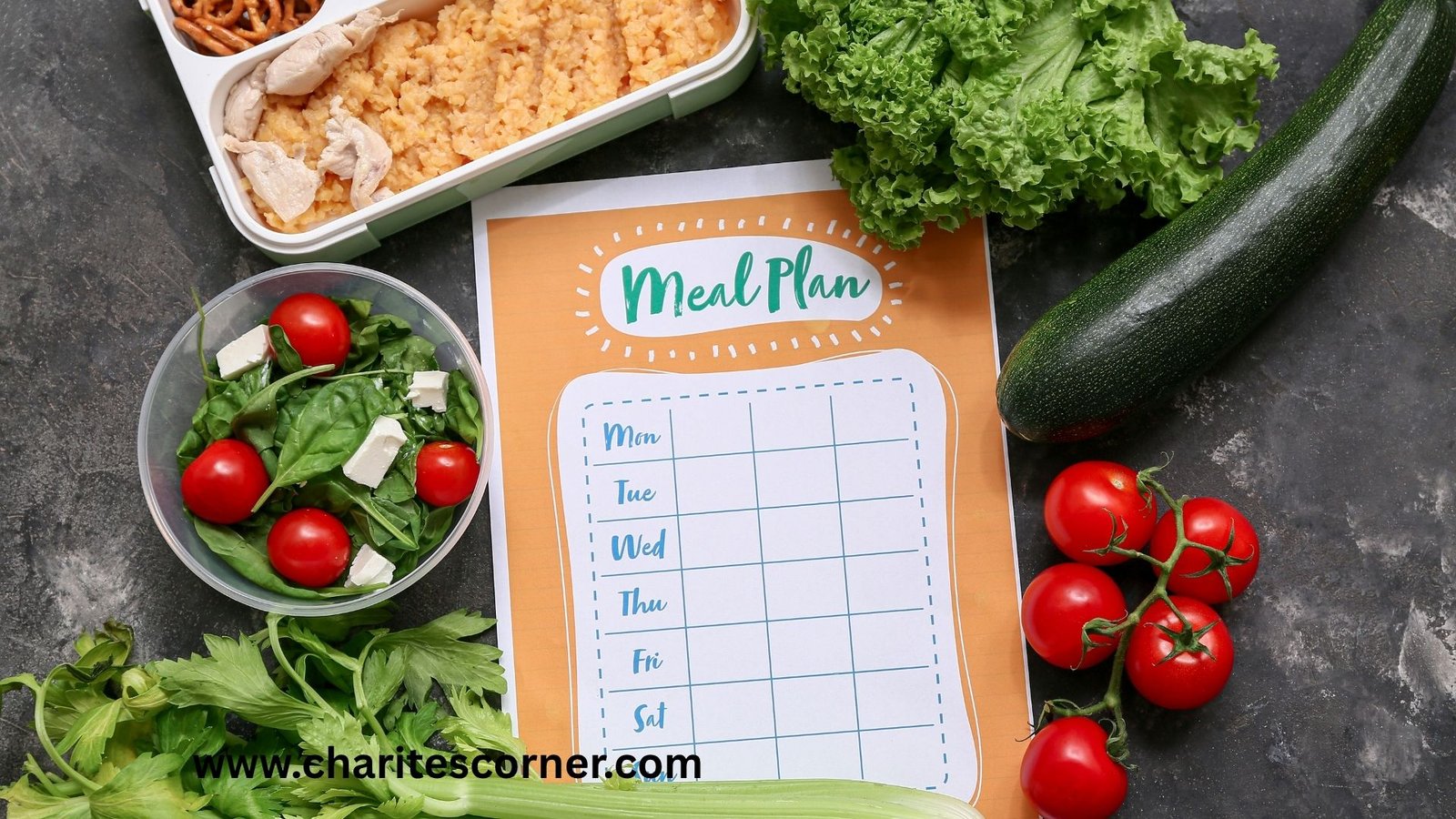
Monday
Spaghetti with meat sauce and garlic bread
Tuesday
Chicken tacos with rice and black beans
Wednesday
Vegetable soup with grilled cheese sandwiches
Thursday
Sheet-pan chicken with roasted potatoes and broccoli
Friday
Homemade pizza night
Saturday
Beef and vegetable stir-fry over rice
Sunday
Slow cooker chili with cornbread
This simple plan uses many of the same ingredients throughout the week, helping you save money while reducing food waste.
Smart Grocery Shopping Tips
A few simple habits can stretch your grocery budget even further:
- Shop with a grocery list.
- Avoid shopping when you’re hungry.
- Compare unit prices instead of package prices.
- Buy store brands when possible.
- Purchase pantry staples in bulk if you’ll use them.
- Freeze extra meat, bread, and vegetables before they spoil.
Small changes can add up to significant savings over time.
Frequently Asked Questions
How do I start meal planning on a budget?
Begin by checking what you already have at home, planning meals around grocery store sales, and creating a shopping list before heading to the store.
What’s the cheapest meal to make for a family?
Meals like chili, pasta, soups, casseroles, bean burritos, and fried rice are affordable, filling, and easy to make in large batches.
How can I reduce food waste?
Use leftovers in new meals, freeze extra portions, store produce properly, and plan meals that use similar ingredients throughout the week.
Is meal prepping worth it?
Yes. Preparing ingredients or entire meals in advance saves time, reduces stress, and helps prevent last-minute takeout purchases.
What foods should I always keep on hand?
Rice, pasta, oats, canned beans, canned tomatoes, frozen vegetables, eggs, potatoes, onions, and basic seasonings are all versatile and budget-friendly staples.
Finally.
Budget-friendly meal planning doesn’t have to be complicated. With a little preparation, smart grocery shopping, and simple recipes, you can feed your family delicious meals without overspending.
Start with one week’s plan, build your pantry over time, and focus on making the most of the ingredients you already have. Small changes today can lead to big savings throughout the year.