
This post talks about How To Plan Your Week Like A Pro.
If your week usually feels like a blur of unfinished tasks, constant notifications, and “I’ll do it tomorrow,” you’re not alone.
Many people move through their week in survival mode, reacting to whatever comes next instead of leading their time with intention.
The result? Mental exhaustion, scattered focus, and the feeling that you’re always busy but never truly productive.
Planning your week like a pro is about designing your time before life starts designing it for you.
It helps you see your responsibilities clearly, spread your energy wisely, and avoid the stress of last-minute decisions.
When your week is planned properly, your mind feels clearer, your workload feels lighter, and you stop carrying tasks around in your head all day.
This guide will show you how to build a simple, effective weekly planning system that fits into real life, not a perfect, unrealistic one.
Even when you work from home, juggle multiple roles, or simply want your days to flow better, this process will help you stay organized, focused, and more in control of your time.
Here’s a step-by-step system to help you plan your week like a pro.
1. Reflect on the previous week

Before moving forward, take a moment to look back.
What went well? What didn’t? Reflection helps you spot patterns, avoid repeated mistakes, and improve your planning.
Oprah Winfrey, for example, reviews her week regularly to make sure her actions are aligned with her long-term goals.
How To Plan Your Week Like A Pro? This is one of my favorite things to do that really helps me stay true to myself.
2. Clear all unfinished tasks from your mind and notes

A cluttered mind slows productivity. Collect all pending tasks, emails, and half-finished projects in one place. This “brain dump” creates mental clarity.
Richard Branson is famous for writing down ideas immediately, freeing mental space to focus on high-priority work.
3. Write down everything you need to do in the coming week
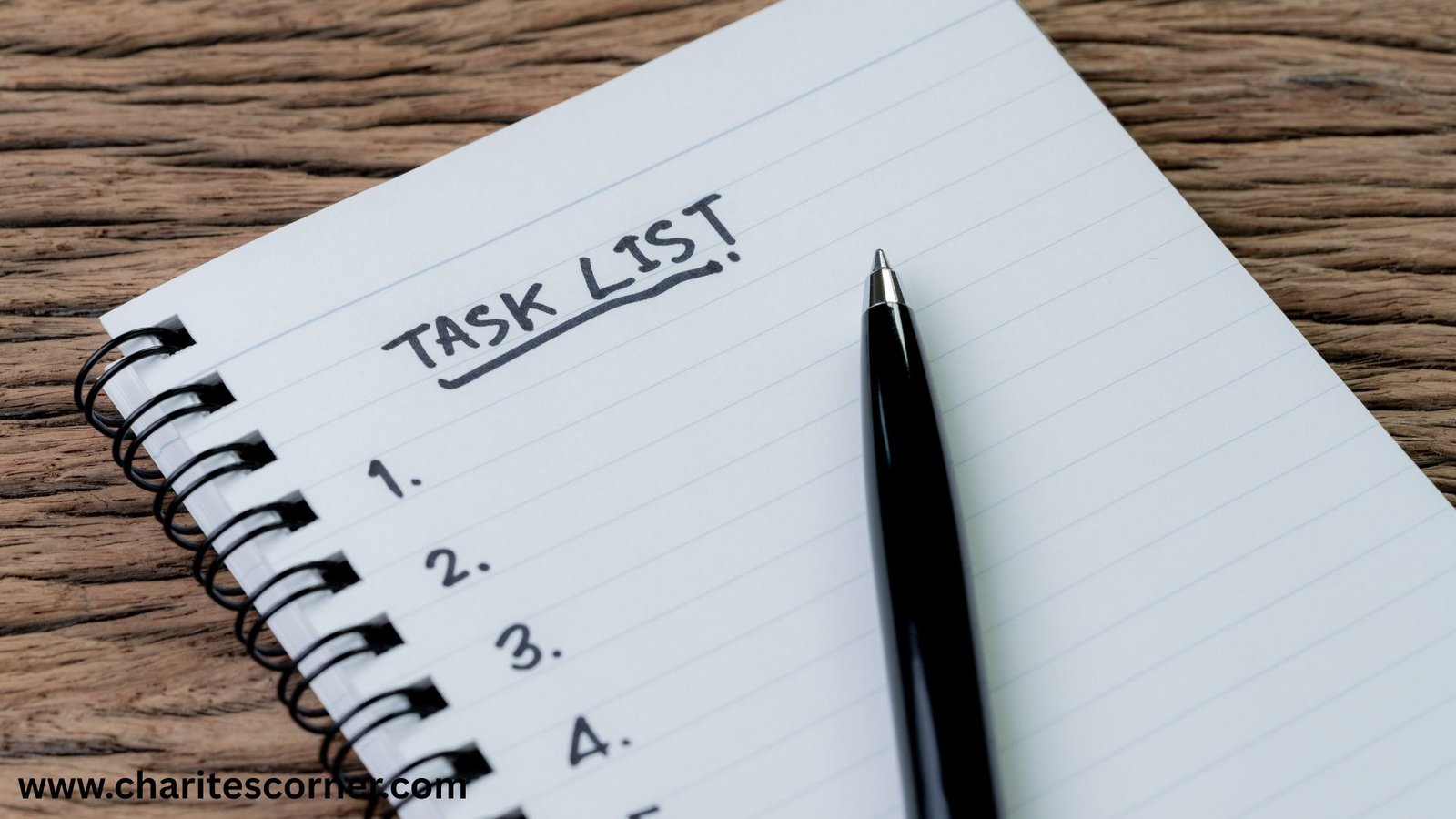
Capture all responsibilities, both big and small. Once everything is on paper or in an app, you won’t have to worry about forgetting tasks. It also helps you beat procrastination.
Elon Musk meticulously schedules even small tasks to maximize efficiency and ensure nothing slips through the cracks.
4. Separate urgent tasks from important tasks

Not all tasks carry the same weight. Use tools like the Eisenhower Matrix to differentiate between what’s urgent and what truly matters. Warren Buffett focuses on high-impact activities and avoids distractions that don’t contribute to meaningful results.
5. Identify your top three priorities for the week
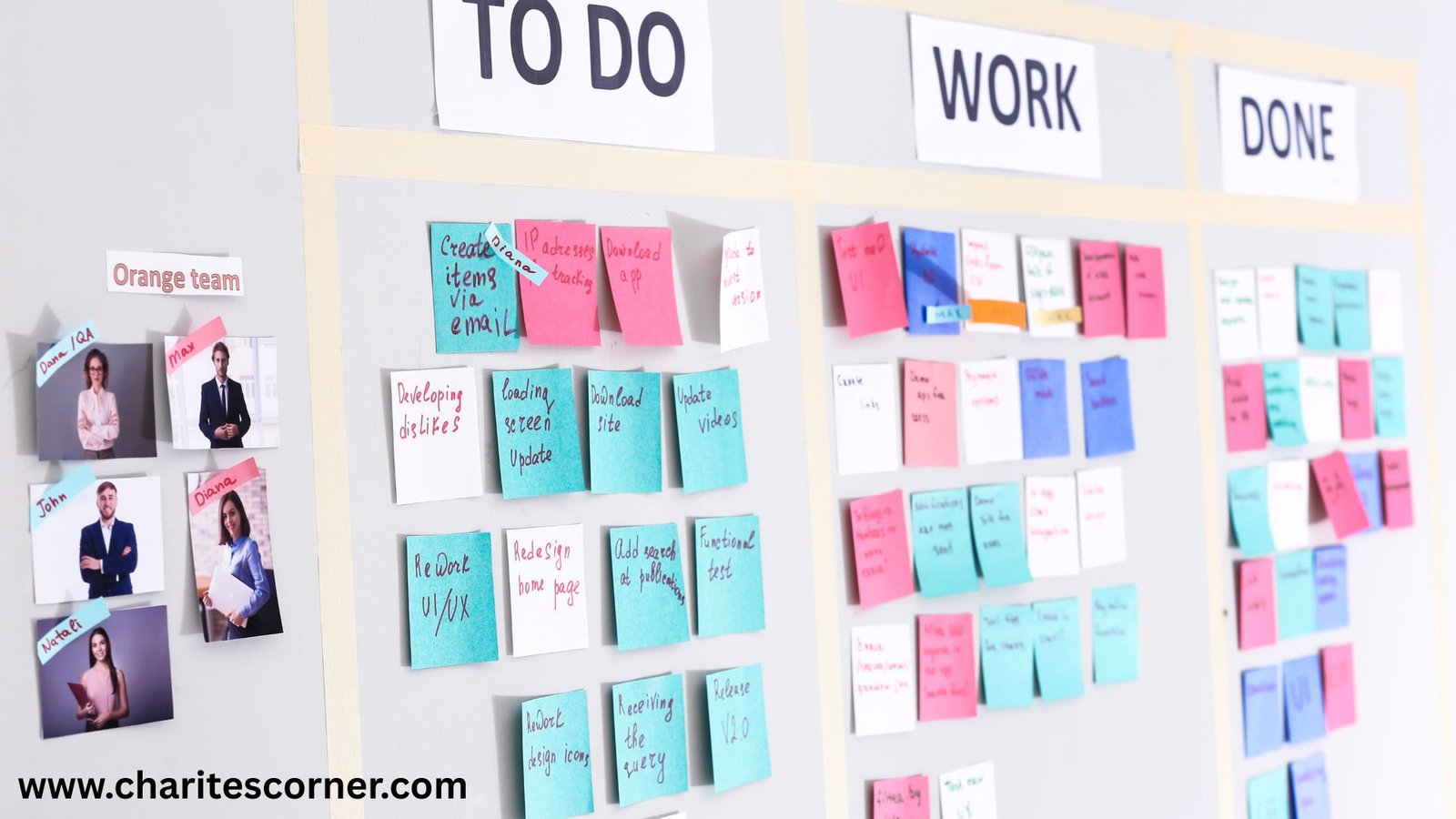
Trying to do everything at once leads to burnout. Select three core priorities and dedicate your energy to them. Jeff Bezos focuses on the “high IQ” tasks each week those that drive the most impact and treats them as non-negotiable. This is How To Plan Your Week Like A Pro.
6. Break big tasks into smaller, manageable actions

Large projects can feel overwhelming. Divide them into smaller steps to make steady progress.
Tony Robbins recommends chunking tasks to maintain momentum and prevent procrastination.
7. Assign specific tasks to specific days
Don’t leave tasks floating around your week.
Decide exactly what you will do each day. Mark Zuckerberg structures his days around key priorities and meetings, ensuring each day has a clear purpose.
8. Time-block your activities realistically

Allocate dedicated time blocks for each task instead of vague “do it later” plans.
Cal Newport, author of Deep Work, emphasizes time-blocking as the most effective way to achieve focused, high-quality work.
9. Schedule deep work and focus periods

Plan periods where you work without distractions.
Bill Gates is known for his “Think Weeks,” where he isolates himself to focus on reading and planning, avoiding interruptions entirely.
10. Add buffer time between tasks

Unexpected interruptions are inevitable.
Leave 15–30 minutes between tasks to account for delays or overflows. Satya Nadella, CEO of Microsoft, ensures buffer time to keep his schedule flexible and stress-free.
11. Include personal time, rest, and self-care
A productive week isn’t only about work. Schedule exercise, hobbies, and family time. Arianna Huffington champions sleep and personal time as essential to sustained productivity.
12. Plan for unexpected interruptions
Life rarely goes exactly as planned. Leave open slots for emergencies or sudden opportunities. Jeff Bezos intentionally keeps open spaces in his calendar to allow for creativity and high-priority surprises.
13. Choose a planner, app, or system that works for you
Whether digital or physical, pick a system that suits your style. Oprah Winfrey consistently uses planners and journals to track schedules, goals, and reflections, keeping her organized and intentional.
14. Review your plan every morning
Start each day by checking your schedule and adjusting as needed. Tim Ferriss recommends daily reviews to ensure alignment with priorities and long-term goals.
15. Do a weekly review at the end of the week
Assess your week every Sunday or your preferred day. Celebrate accomplishments and note areas for improvement. Both Richard Branson and Elon Musk use weekly reviews to refine priorities and maintain high productivity.
How To Plan Your Week Like A Pro is more than a productivity hack it’s a mindset, a habit, and a form of self-respect. When you take the time to reflect on the past week, organize your tasks, and intentionally design your schedule, you’re not just getting things done you’re taking control of your life.
Each step in this system, from identifying your priorities to scheduling deep work and personal time, is designed to create structure while still allowing flexibility for life’s inevitable surprises.
This balance is what separates people who constantly feel overwhelmed from those who move through their days with focus, clarity, and purpose.
It’s important to remember that mastery over your week doesn’t happen overnight. The first few weeks may feel tedious or even overwhelming as you adjust to thinking ahead and time-blocking your tasks.
But the small, consistent actions compound over time. The more you reflect, plan, and review, the easier it becomes to anticipate challenges, prioritize effectively, and avoid last-minute stress.
Even highly successful people like Elon Musk, Oprah Winfrey, and Jeff Bezos invest time in planning because they understand that organization is the foundation of their productivity and long-term success.
Another key takeaway is that planning is not just about work. It’s about designing a life that aligns with your values and goals. By intentionally scheduling time for personal growth, rest, and self-care, you prevent burnout and maintain the energy needed to stay productive.
Discipline and structure don’t mean giving up freedom; they mean creating the freedom to focus on what truly matters. When you plan well, you stop reacting to life and start leading it, making conscious decisions that move you closer to your vision.
Finally, remember that flexibility is part of effective planning. Life is unpredictable, and even the best-laid plans may need adjustment.
The true power of weekly planning lies in your ability to adapt without losing sight of your priorities. By committing to consistent reflection, intentional scheduling, and weekly reviews, you build habits that support long-term growth, clarity, and fulfillment.
Over time, planning your week becomes second nature, and you’ll find that your productivity, focus, and overall quality of life improve dramatically.
Planning your week like a pro is ultimately about creating a system that works for you — a system that aligns your actions with your goals, respects your time, and helps you move forward confidently.
When done consistently, this approach doesn’t just help you accomplish more tasks; it transforms how you experience each week, giving you a sense of control, achievement, and peace of mind.
The more you invest in thoughtful planning, the more your weeks become a reflection of your priorities, ambitions, and the life you truly want to live.