This post talks about How to declutter your home. Clutter has a way of building up quietly.
A few unopened packages sit by the door. Clothes start piling up on a chair. Kitchen drawers become harder to close. Before long, your home can feel more stressful than relaxing.
The good news is that learning how to declutter your home does not mean throwing everything away or organizing the entire house in one day. The easiest approach is to work slowly, focus on one area at a time, and make simple decisions about what you actually use and want to keep.
Here are practical ways to get started.
1. Start With One Small Area
Do not begin by telling yourself you need to declutter the whole house.
That can make the task feel too big before you even start.
Choose one small area instead, such as a drawer, bedside table, bathroom shelf, or kitchen counter. Finish that space before moving on.
Seeing one clean area can give you the motivation to continue.
2. Use the Keep, Donate, and Throw Away Method
As you go through your belongings, separate everything into simple categories.
Keep the things you use, need, or genuinely love.
Donate items that are still in good condition but no longer serve you.
Throw away anything broken, expired, damaged, or unusable.
Try not to create a huge “maybe” pile. That often just moves the clutter from one place to another.
3. Declutter by Category
Sometimes it is easier to declutter similar items together.
You could start with clothes, books, shoes, beauty products, paperwork, toys, or kitchen items.
Seeing everything in one category at once can make it easier to notice duplicates and things you no longer use.
For example, you may not realize you own eight similar mugs until they are all sitting in front of you.
4. Remove Things You Have Not Used in a Long Time
Ask yourself when you last used an item.
If you have not worn, touched, or needed something in a year or more, think carefully about whether it still deserves space in your home.
There will always be exceptions, especially for seasonal or sentimental items, but this question can help you make faster decisions.
Keeping something simply because you might use it someday can create a lot of unnecessary clutter.
5. Declutter Your Closet
Closets are one of the easiest places for clutter to hide.
Take out clothes you no longer wear because they do not fit, feel uncomfortable, are damaged, or no longer match your style.
Be realistic.
If you constantly skip over an item when choosing what to wear, you probably will not suddenly start loving it later.
Once you remove the extras, organize what remains so your everyday clothes are easy to reach.
6. Clear Your Kitchen Counters
A cluttered kitchen can make cooking feel more stressful.
Look at everything sitting on your counters and decide what really needs to stay there.
Appliances you rarely use can go inside cabinets. Papers can be filed or recycled. Random items should return to their proper rooms.
Keeping the counters mostly clear can instantly make the entire kitchen feel cleaner.
7. Check Your Pantry and Fridge
Food storage areas can easily become overcrowded.
Remove anything expired and check for products you bought but never use.
Group similar foods together so you can actually see what you already have before buying more.
This can reduce both clutter and food waste.
8. Declutter Bathroom Products
Bathrooms often fill up with half-used bottles, old makeup, expired products, and free samples.
Go through each drawer and cabinet.
Throw away expired items and products you know you will never finish.
Keep your daily essentials somewhere easy to reach and store less frequently used products separately.
The goal is to make your morning routine easier, not to keep every product you have ever purchased.
9. Deal With Paper Clutter
Mail, receipts, school papers, manuals, and old documents can quickly pile up.
Create a simple system.
Recycle anything you do not need. File important documents. Take photos or scan papers you want to keep digitally when appropriate.
Try to deal with new mail as soon as it enters the house instead of letting it sit for weeks.
10. Give Everything a Home
Clutter often builds up because items do not have a specific place to go.
Keys end up on random tables. Chargers move from room to room. Shoes collect by the doorway.
Choose a home for the things you use regularly.
Use baskets, drawers, shelves, or hooks where they make sense.
If putting something away is easy, you are much more likely to do it.
11. Do Not Buy Organizers Too Early
Buying storage containers can feel productive, but it is usually better to declutter first.
Otherwise, you may end up buying baskets and boxes just to organize things you do not actually need.
Remove the excess first.
Once you know what you are keeping, you can choose storage solutions that fit the space properly.
12. Be Careful With Sentimental Items
Sentimental clutter can be harder to deal with because it carries memories.
You do not have to throw away everything meaningful.
Instead, choose the items that matter most.
You might keep a small box for special letters, photographs, or keepsakes rather than saving every object connected to a memory.
For larger sentimental items, taking a photograph before letting them go can sometimes make the decision easier.
13. Clear Flat Surfaces
Flat surfaces attract clutter.
Dining tables, countertops, desks, dressers, and bedside tables can quickly become drop zones for random things.
Choose one surface and remove everything that does not belong there.
Then try to keep that space as clear as possible going forward.
Even one uncluttered surface can make a room feel more peaceful.
14. Declutter Your Entryway
Your entryway is one of the first things you see when you come home.
Remove shoes you do not wear regularly, old bags, unopened mail, jackets, and anything else that has collected there.
Add a small basket, hooks, or a shoe rack if needed.
A tidy entrance can make your whole home feel more organized.
15. Use a Decluttering Timer
If you are short on time, set a timer for 10 or 15 minutes.
Choose one area and declutter until the timer ends.
You might be surprised by how much you can accomplish in such a short period.
Doing this regularly can be more effective than waiting for an entire free weekend that may never come.
16. Follow the One-In, One-Out Rule
Once you have reduced the clutter, try to keep it from returning.
For every new item you bring into your home, consider removing something similar.
If you buy a new pair of shoes, let go of an old pair.
If you purchase new kitchenware, check whether something you already own can be donated.
This keeps your belongings from slowly building up again.
17. Create a Donation Basket
Keep a basket or box somewhere convenient for items you no longer want.
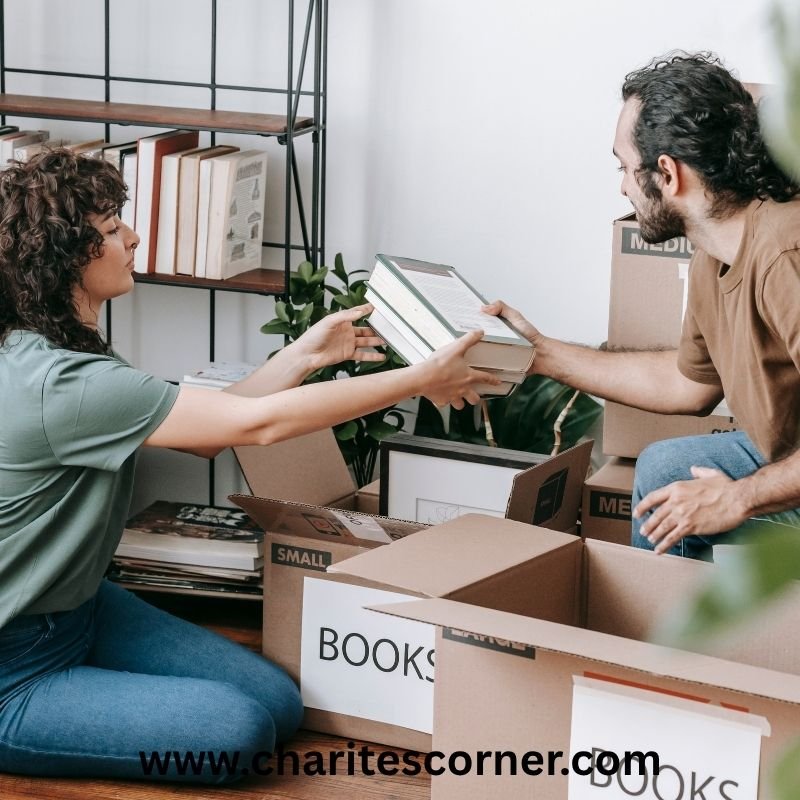
When you find clothing, books, toys, or household items you are ready to let go of, place them inside.
Once the box is full, donate everything.
This allows you to declutter continuously instead of waiting for another major cleanout.
18. Stop Keeping Things Out of Guilt
Sometimes we keep items because someone gave them to us or because we spent money on them.
But keeping something you dislike does not bring the money back, and letting go of a gift does not mean you do not appreciate the person who gave it to you.
Your home should contain things that work for your current life.
It does not need to become storage for guilt.
19. Finish One Room Before Moving On
Jumping from room to room can leave you with several half-finished projects.
Try to complete one space before moving to the next.
That does not mean every room needs to be perfect.
It simply gives you a clear sense of progress and prevents your decluttering project from becoming even more chaotic.
20. Build a Simple Daily Reset Routine
Decluttering is easier when you prevent things from piling up again.
Spend five or ten minutes at the end of the day putting things back where they belong.
Clear the counters, return shoes to their place, fold blankets, and deal with any items left around the room.
A small daily reset can save you from needing another major decluttering session a few months later.
Take It One Space at a Time
Learning how to declutter your home is not about creating a perfectly empty house.
It is about making your space easier to use, easier to clean, and more comfortable to live in.
Start small, let go of things that no longer serve you, and create simple systems for the belongings you decide to keep.
You do not need to finish everything today. One drawer, one shelf, and one room at a time can completely change how your home feels.